We may earn affiliate income (at no extra cost to you) on the links below.
I love lists. But I learned the hard way that “collecting booklists” and “actually reading the books” are two different hobbies. So I set out to build a homeschool reading list that’s genuinely usable, not aspirational.
There are a lot of homeschool reading lists out there. Most of them are either overwhelming, overly academic, or so vague they’re not actually helpful. This one is different.
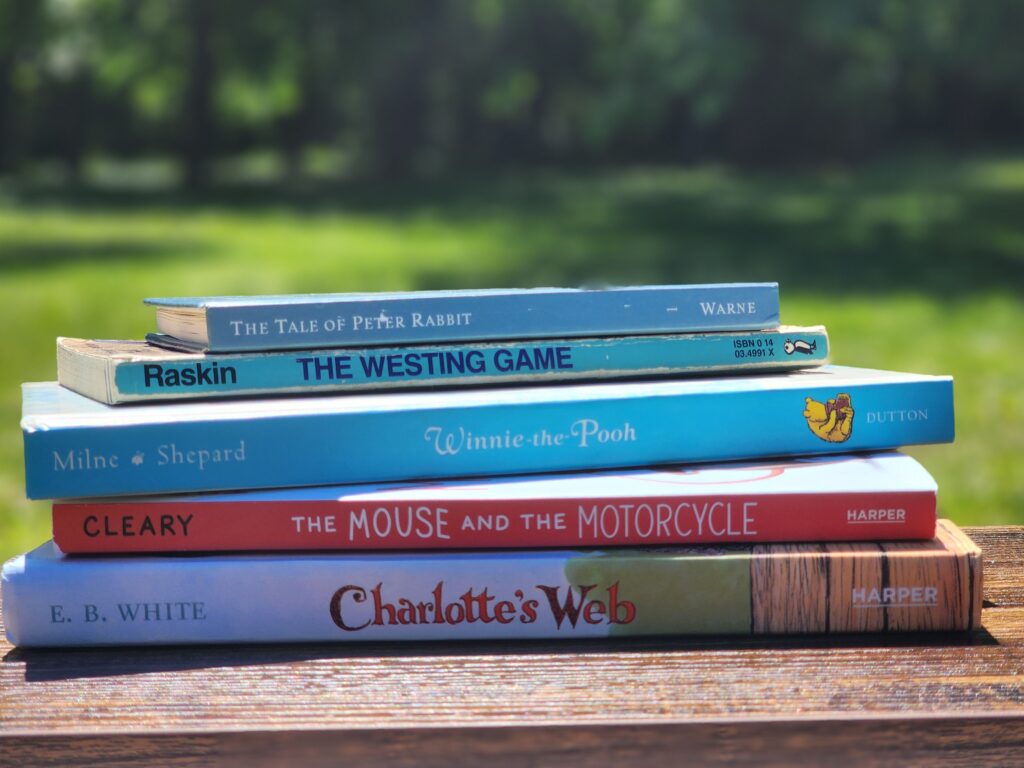
These are the books we’ve actually used in our home: the ones that get reread, talked about, and remembered weeks later. You don’t need all of them. You just need a few good ones at the right time.
This guide is organized by stage so you can quickly find what fits your child right now, whether you’re reading aloud on the couch, building a morning basket, or just trying to make better use of your library trips.
This list leans heavily on the literature side. For living books on specific subjects like history and science, go to our Homeschool Books hub.
Table of Contents
Quick Start: What to Read at Each Stage
If you’re not sure where to begin, start here. Pick one or two books from your child’s stage and read them slowly. That’s enough to get real momentum.
| Age | Focus | Start Here |
|---|---|---|
| 3–5 | Rhythm, repetition, delight | Winnie-the-Pooh, The Tale of Peter Rabbit |
| 6–8 | Character, wonder, attachment | Charlotte’s Web, The Wind in the Willows |
| 9–12 | Imagination, meaning, story depth | The Giver, The Chronicles of Narnia |
| 12–15 | Identity, grit, moral complexity | To Kill a Mockingbird, The Old Man and the Sea |
| 15–18 | Philosophy, worldview, human nature | Jane Eyre, The Great Gatsby |
Preschool & Early Years (Ages 3-5)
This stage is less about “coverage” and more about building a love of language.
Most preschoolers don’t need a long reading list. They need a handful of good stories read often, aloud, and without expectations. Short attention spans are normal. Wanting the same book every night is normal. Wandering off halfway through a story is normal, too.
What I Look For in Preschool Books
- Rich language without being overwhelming
- Strong rhythm and repetition
- Clear, comforting story structure
- Illustrations that invite lingering
If a book holds their attention most of the time, it’s doing its job.
Core Preschool & Kindergarten Homeschool Reading List
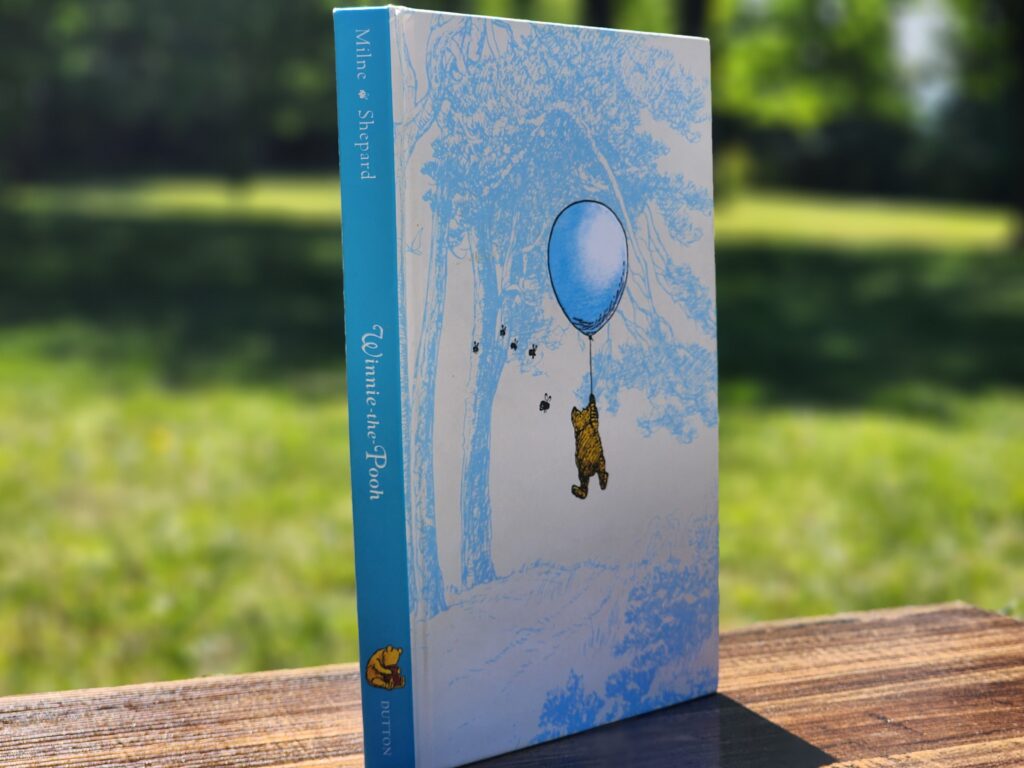
Winnie the Pooh by A.A. Milne
A gentle, imaginative read-aloud with rich language and just enough humor to keep everyone engaged. The chapters are short, which makes it easy to read consistently. Your child probably won’t catch every word. However, it’s the tone that’s important, and that’s imparted even if your child doesn’t know what every word means.
This is a great way to expand your child’s vocabulary and get them used to listening to tougher books. Feel free to skip the first chapter, which I find to be a drag.
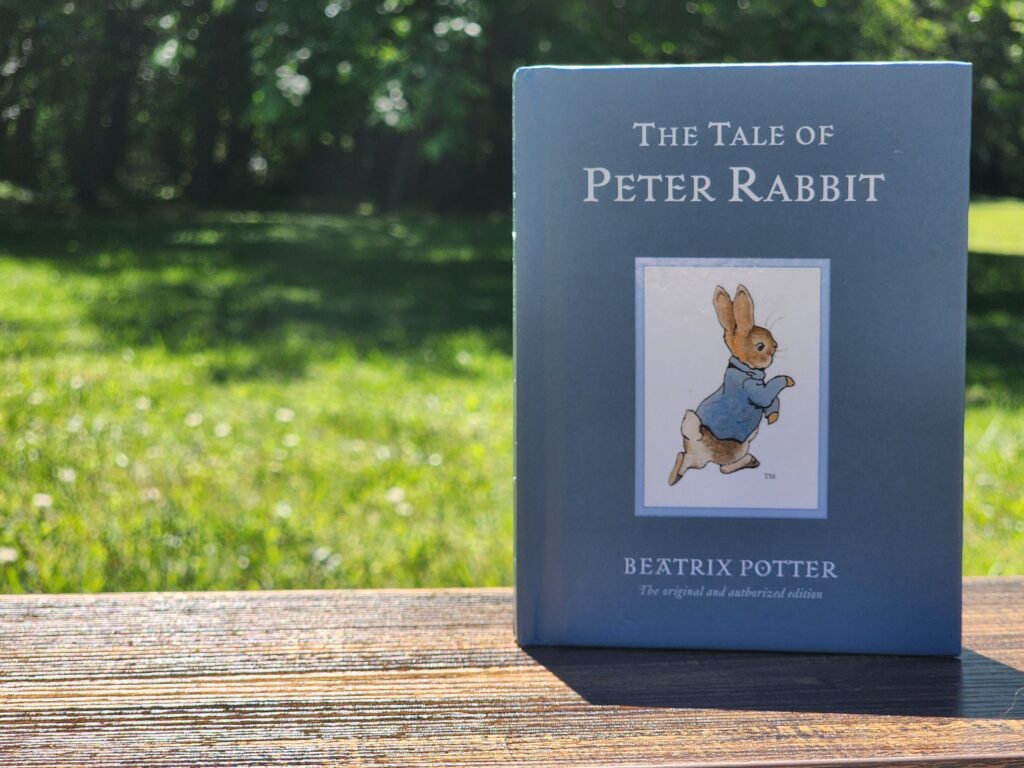
The Tale of Peter Rabbit by Beatrix Potter
Short, beautifully written, and just mischievous enough to hold attention. The illustrations do a lot of the storytelling, which makes it easy for younger kids to follow. This became a fast repeat read. It’s quick and familiar (and honestly, just fun to read).
There are several other books in this series that are great too, like The Tale of Tom Kitten. However, some of them are very tough reads and better suited for elementary school students.
Make Way for Ducklings by Robert McCloskey
A calm, steady story with just enough tension to keep little listeners engaged. It’s a longer picture book, so feel free to break it up into two sessions if needed. It works well during quiet parts of the day, like afternoons or before naps.
Blueberries for Sal by Robert McCloskey
A simple story with strong rhythm and a memorable parallel structure. It’s easy to follow and easy to talk about. It’s a great book to introduce discussion and narration with. A quick “what would you do?” can open up tons of discussion.
Frog and Toad Are Friends by Arnold Lobel
Short, gentle stories about friendship and everyday life. Easy to read, but surprisingly meaningful. The other books in this series are just as good and highly recommended. I love using this book as one of our first independent reads (which can be done quite early if your children already know this story). Kids feel successful with it quickly.
A Children’s Garden of Verses by Robert Louis Stevenson
A beautiful introduction to poetry that helps develop an ear for language early on. Read one poem at a time before bedtime or during your morning basket. I’ve found it best to read the same poem for a week or so before moving on. Kids really don’t start engaging with the poem until the second or third read.
Want More Options for Preschool?
If you want a fuller list, including fairy tales, seasonal books, and more early readers, you can explore the complete list here: Complete Preschool Reading List.
Early Elementary (Ages 6-8)
This is often the stage where parents start to worry about “real reading.”
Some kids are eager to read on their own. Others still want everything read aloud. Many bounce back and forth depending on the day, the book, and their energy level. All of that is normal.
Kids at this stage don’t just enjoy stories. They become attached to them. This is often where lifelong readers are made. You don’t need a huge booklist. You just need a few books that pull them in and hold their attention.
Discussion should really start ramping up at this age, too. Talk about what you’re reading. Don’t just rush through each book to “get done.” I’ve included plenty of books with big ideas below to make the discussion easier.
Here are the books that worked best in our home:
Core Early Elementary Homeschool Reading List
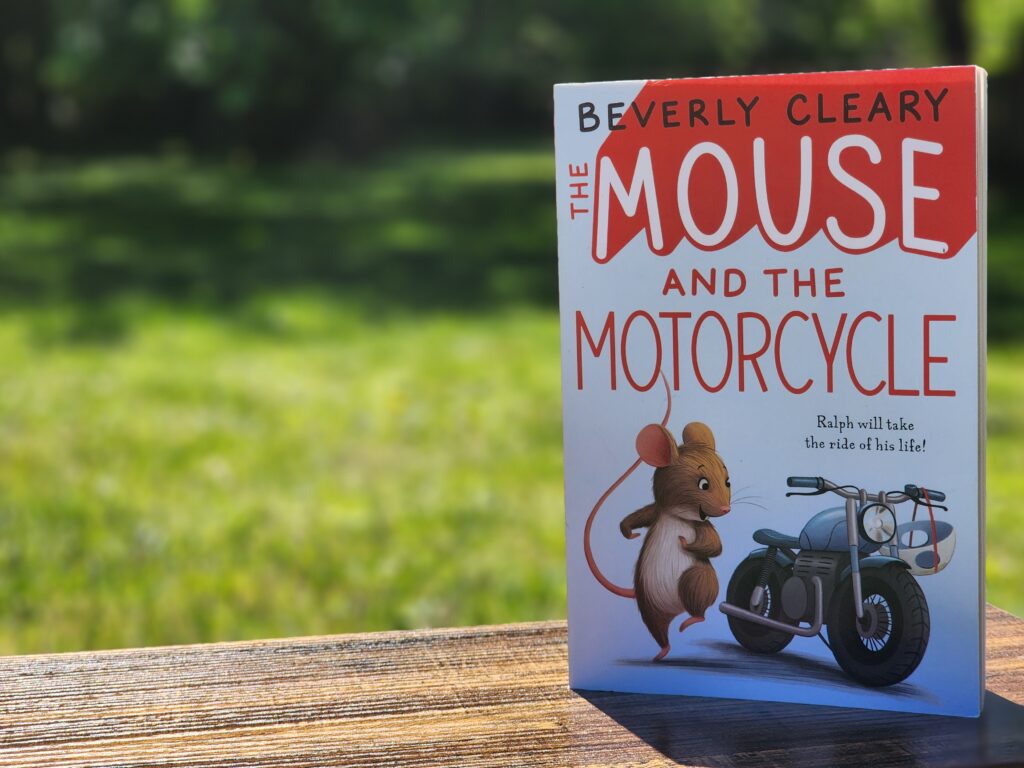
The Mouse and the Motorcycle by Beverly Cleary
A fun, fast-moving story that’s a great introduction to older chapter books. It’s engaging and moves plenty fast enough, especially for reluctant readers. While it can be an independent read, I recommend going through it with your child if you have the time. More of a fun book than a discussion book.
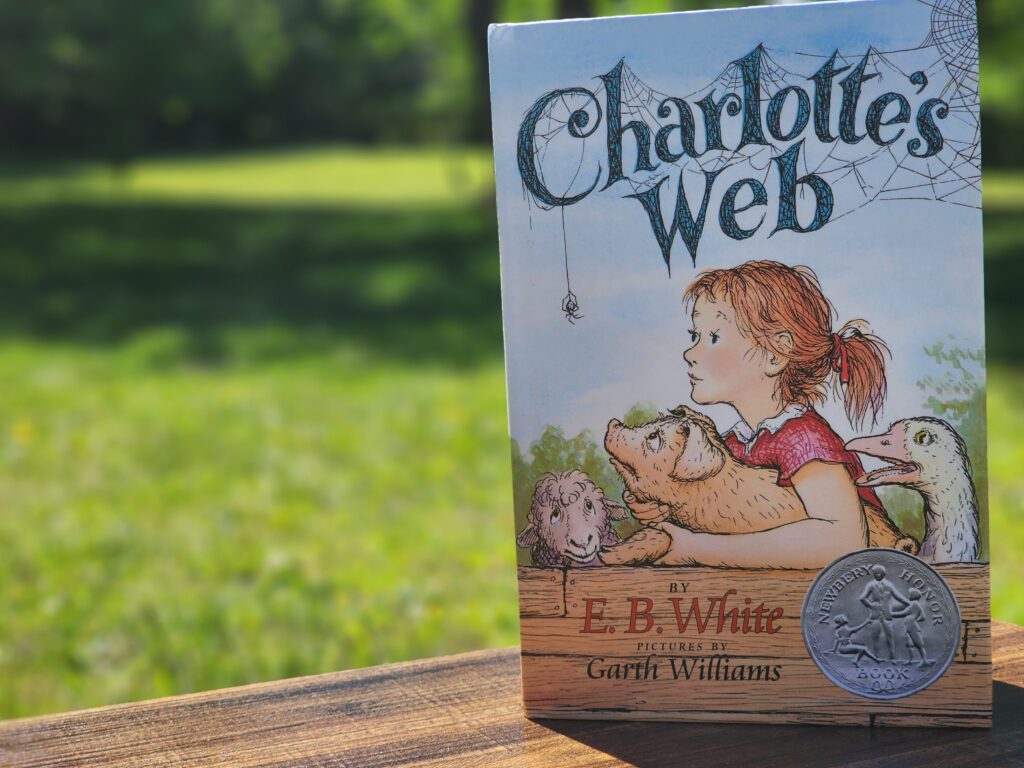
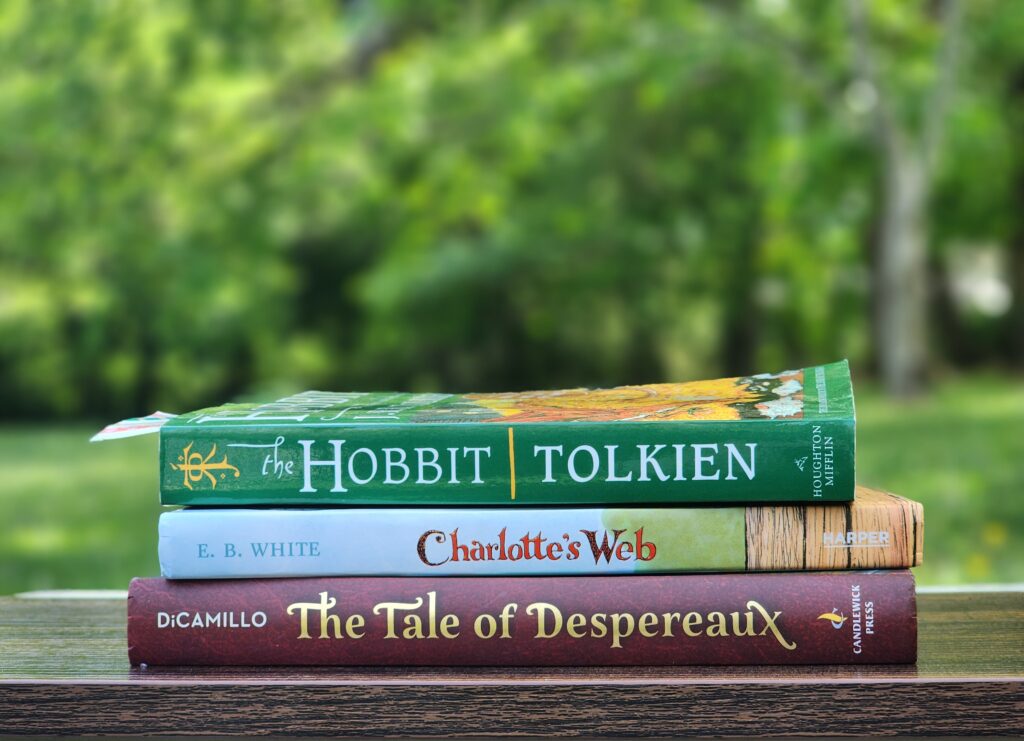
Charlotte’s Web by E. B. White
This is a nearly perfect early novel to read aloud. It’s easy to follow, but rich enough to matter. Friendship, loss, and loyalty are all handled gently and clearly. I would absolutely recommend reading it out loud. I absolutely recommend reading this aloud, even if it is easy enough for many kids to read by themselves. There are a lot of big ideas here that tend to get lost if your child is focus decoding each sentence.
Pippi Longstocking by Astrid Lindgren
A playful, slightly chaotic story that kids absolutely love. It’s imaginative and a little unconventional, which makes it stand out. It’s a great change of pace after Charlotte’s Web or another heavier book. When you need something lighter but still good, read this.
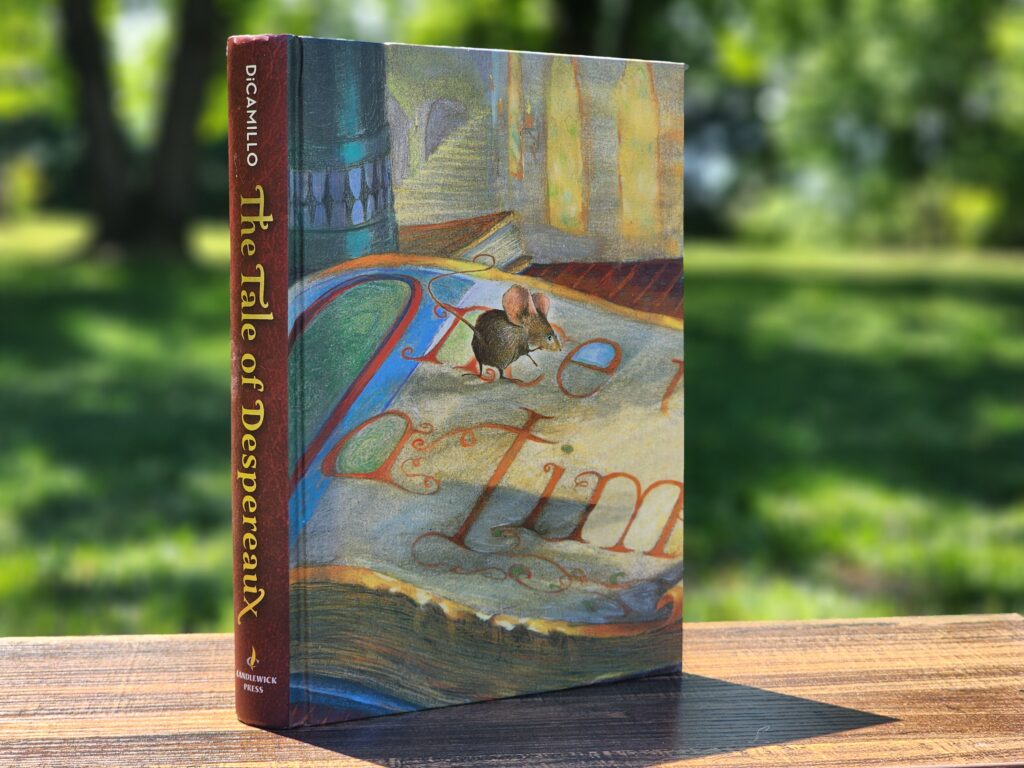
The Tale of Despereaux by Kate DiCamillo
I’m just going to be honest: this is my favorite book for this age. It’s completely overlooked by most booklists, and that’s a shame. A beautifully written story that feels both whimsical and meaningful. It introduces bigger themes without feeling heavy. Discussion with this book is super easy. It works well as both a read-aloud and an independent read, though I recommend reading it aloud for the ease of discussion.
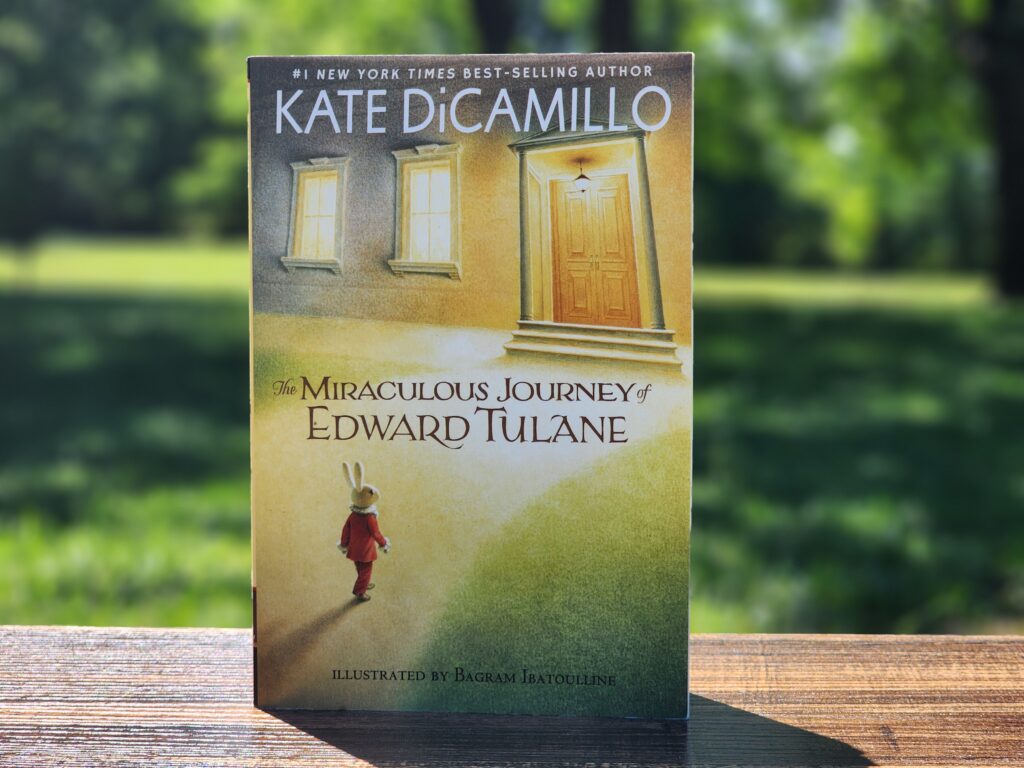
The Miraculous Journey of Edward Tulane by Kate DiCamillo
I recommend this book for the older kids in this stage (or the younger ones in the next). It’s a good bridge book if you’re feeling a bit “in between,” too. It goes a bit deeper emotionally, and some of the themes are more mature. It’s still accessible, but it does ask more of the reader (in a good way).
Read it slowly and talk through parts of it. It can lead to plenty of meaningful conversations.
The Wind in the Willows by Kenneth Grahame
A slower, more descriptive book, but it’s worth it. The language is rich, and the characters are memorable in a lasting way. It’s best as a read-aloud. Don’t rush it, even if you’re tempted to. The slower pace is on purpose.
Want More Options for This Age?
If your child is flying through these books or you want more variety, you can explore the full list here: Complete Early Elementary Reading List.
Upper Elementary & Early Middle (Ages 9-12)
This is where reading starts to shape how kids see the world. They’re ready for bigger plots, stronger themes, and stories that linger after the last page. You’ll often see a shift from learning how to read to wanting to read around this age if you haven’t already.
You don’t need to overfill this age, as most kids will still like to read the same books over and over again. However, you should furnish your shelves with books that are memorable and discussion-worthy.
Core Tween Homeschool Reading List
The Chronicles of Narnia by C.S. Lewis
Imaginative, symbolic, and deeply memorable. These books grow with your child, which makes them worth revisiting. While this series can be expensive to purchase all at once, you’ll probably use the books over and over again, so the price is worth it. Read it aloud first, especially if you have younger kids, too. Then, your child can go back and reread them independently later.
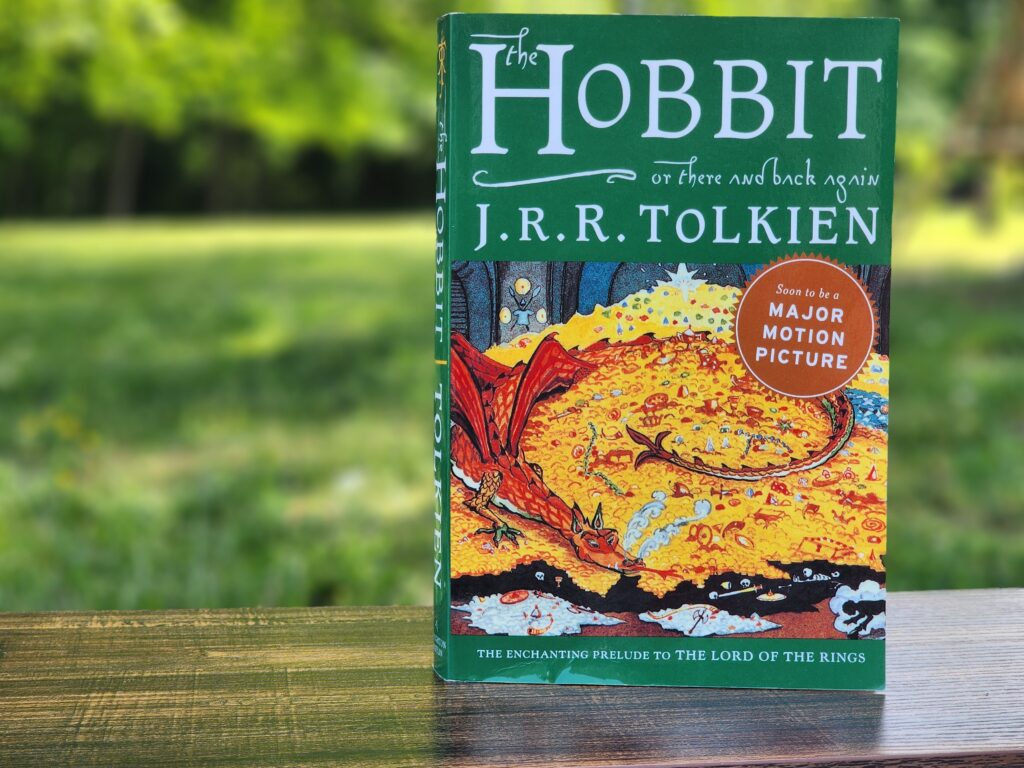
The Hobbit by J.R.R. Tolkien
The Hobbit is a great introduction to the fantasy genre. It has tons of themes for kids to love, like adventure and danger. Plus, it’s written in a top-notch manner while still being very readable. It’s still literature, but it’s fun literature.
If you read this after The Chronicles of Narnia, it can be fun to read the letters between C.S. Lewis and J.R.R. Tolkien.
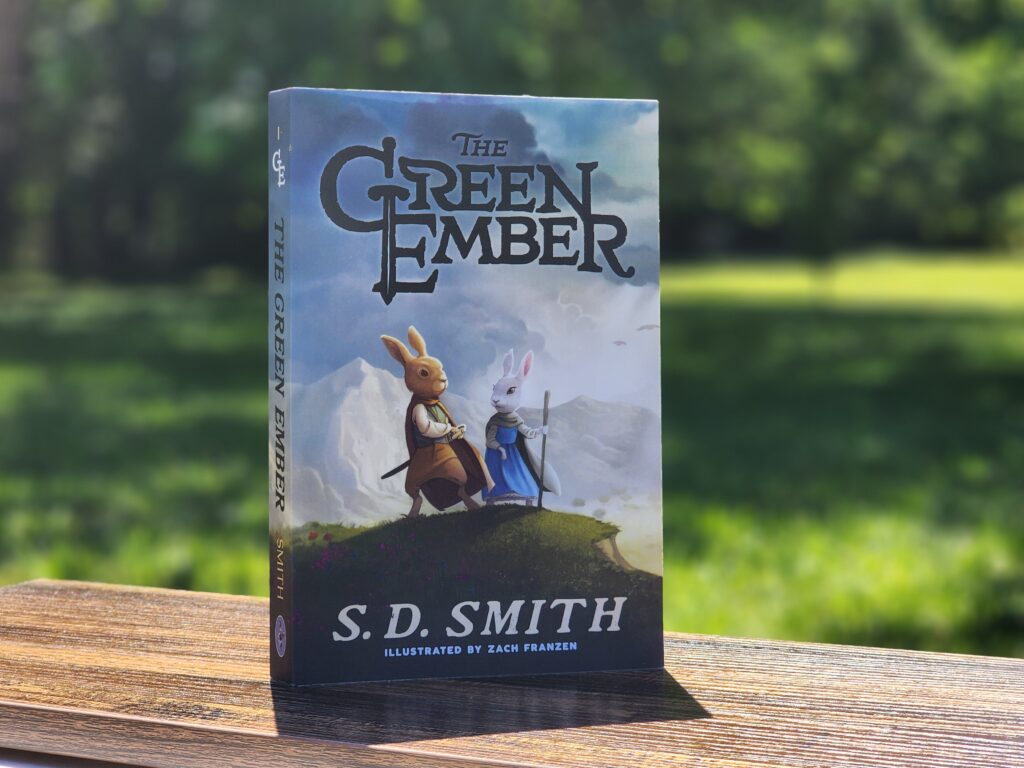
Green Ember by S.D. Smith
A strong introduction to heroic storytelling with clear themes of courage, loyalty, and identity. Don’t let the fact that it’s about bunnies put you off. These aren’t cute fluffy bunnies. They’re bunnies on a mission. A must-have for boys at this age, but my daughter also really enjoyed it, too. The beginning can be a bit confusing, but just keep going. It makes sense after a few chapters.
Holes by Louis Sachar
Holes is a must-read, in my opinion. It’s fast-paced, layered, and surprisingly clever. It weaves multiple timelines together and uses more adult storytelling methods. It’s a great way to introduce your kids to more grown-up books, while still keeping everything appropriate.
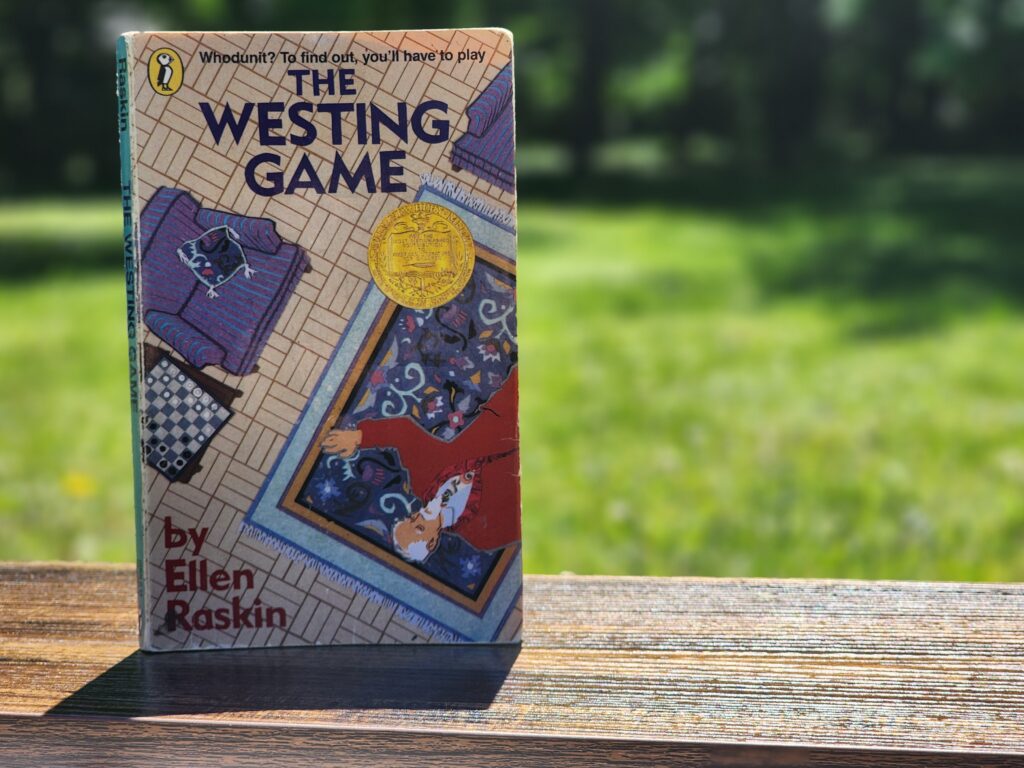
The Westing Game by Ellen Raskin
A clever mystery with a lot going on, but in a way that kids can follow and enjoy. It rewards attention without feeling confusing. This one sparked a lot of guessing and discussion. My kids were fully invested. A fun read-aloud, even if your child can read it independently.
A Wrinkle in Time by Madeleine L’Engle
A blend of science fiction, imagination, and deeper questions about good and evil. It stretches thinking without losing the story. Absolutely more appropriate for the end of this stage (which is why it is last). Read it slowly. Some parts need explanation, but it’s worth reading through together.
Want More Options for This Age?
If your child is ready for more, including classics and meaningful modern stories, you can explore my full list here: Tween homeschool reading list.
Early Teen (Ages 12–15)
This is where things start getting a bit different. Before, we were focusing mostly on books to increase vocabulary and reading comprehension. Reading was about fun and getting better at engaging with books. Now, the focus shifts to virtue and ideas.
Books aren’t just enjoyable at this age (though they still should be). They start becoming formative. This stage begins to shape what your child values and how they see right and wrong.
You don’t need to rush this or pile on all the books. In fact, it works better if you slow down and let each book breathe. This list is full of books that stand by themselves, but you have to give them room to do the standing.
Core Homeschool Reading List for Ages 12–15
To Kill a Mockingbird by Harper Lee
This book is hard, but that’s okay. It’s a powerful look at justice, courage, and moral clarity, which I think we can all agree are important. It’s accessible when read slowly, but it isn’t going to hold your child’s hand. Plan to read it together, whether that means reading it aloud or reading it “together but separate.” Talk about it often. This is one of those books where discussion matters more than speed.
Old Man and the Sea by Earnest Hemingway
Short, simple on the surface, but full of depth underneath. It’s about perseverance, dignity, and quiet strength. Use it as a short, focused read before diving into harder books at this stage. It’s also worth revisiting later, especially if your child liked it.
The Outsiders by S.E. Hinton
A fast-moving, emotionally engaging story that teens connect with immediately. It’s often one of the first books that feels truly “theirs.” It is an easy, independent read that can still lead to meaningful conversations.
The Hiding Place by Johanna Spyri
A deeply impactful true story of faith and endurance during WWII. It’s powerful without being overwhelming and opens the door for tons of conversations. Technically, this is a historical fiction novel, but I like approaching it more as a reading on virtue. Read it slowly and have plenty of discussion throughout.
Animal Farm by George Orwell
This novel is short and easy to read, but it’s full of meaning. It introduces ideas about power and human nature that are hard to find elsewhere for this age (but very satisfying to discuss). Because it’s a quick read, it’s easy to rush through it. Make sure to slow it down by discussing it often.
The Time Machine by H. G. Wells
This is one of the most influential sci-fi novels of all time. Not only does it introduce kids to a new genre, but it also has a lot to say about society and human progress. It’s full of bold storytelling and philosophical claims that invite conversation without being preachy. A great entry point for older literature that’s still inviting.
Want More Options for This Age?
If you’re looking for more classics and modern novels for this age, you can explore the full list here: complete Ages 12–15 homeschool reading list.
High School (Ages 15–18)
At this age, reading should involve slowing down and exploring more complex ideas about the human condition. Students are ready to wrestle with ideas like truth, justice, and belief. Again, don’t feel like you need to have your child read all the books on every high school list. Instead, fewer books, read more slowly, almost always lead to better understanding.
It’s easy for parents to feel overwhelmed here because books seem harder. However, the ideas these books wrestle with are universal, and I promise you probably have opinions about them. That’s all you need to have great conversations.
What about literary critique? I can tell you, as an English major, that the literary critique often used in high school is nothing like what your teen will see in college. College English courses really involve thinking about the ideas presented in books. If your child can pick out the big ideas in books and explain their reasoning behind them, they’re ready for any college course.
Core Homeschool Reading List for Ages 15–18
Pride and Prejudice by Jane Austen
This is one of those books that sounds harder than it actually is.
Once you get into it, it’s surprisingly readable, and honestly, pretty funny. Austen has a way of quietly exposing people’s flaws without ever sounding harsh, which makes this a great book for talking about judgment, pride, and how we misunderstand each other.
If you have a reluctant reader, I would not assign this cold. Read a few chapters together first. Once the tone clicks, most students settle in.
The Odyssey by Homer
This is a fun book to read! I recommend reading the more modern translation by Emily Wilson, even if it isn’t, technically, “standard.” It’s easily the most readable one out there without dumbing anything down. In fact, the book seems more alive with her translation than any of the more traditional ones.
The Odyssey should be read, firstly, because it’s a classic. However, it’s a great opportunity to discuss unreliable narrators and “look behind the scenes,” if you will. Take a look at this article by the Circe Institute to see what I mean.
Emily Wilson also has a translation of the Iliad, which I highly recommend if you have the time.
Jane Eyre by Charlotte Brontë
Jane is a strong, steady character, and the story asks deeper questions about identity, conviction, and what it means to live with integrity when life is not easy. It’s not fast-paced, but it’s meaningful in a way that sticks.
I would take this slowly. It’s not a book to rush through just to finish.
The Great Gatsby by F. Scott Fitzgerald
This is a great book for helping students see that not everything in literature is stated outright. There’s a lot happening beneath the surface: illusion, ambition, and the cost of chasing the wrong things.
This is one I’d definitely discuss after reading. Most students don’t catch everything the first time through, and that’s okay.
Macbeth by Shakespeare
If you’re going to introduce Shakespeare, this is a good place to start.
It’s shorter, more focused, and easier to follow than some of the longer plays. The themes are clear: ambition, power, and consequences.
I strongly recommend reading this out loud, even if it feels awkward at first. It makes a huge difference in comprehension.
Man’s Search for Meaning by Viktor E. Frankl
Frankl writes about his experience in concentration camps and what it taught him about purpose, suffering, and resilience. It’s not graphic, but it is serious, and it tends to stay with students. It’s a short book, but it carries a lot of weight.
I would not assign this casually. Read it intentionally, and leave space to talk.
Want More Options for This Age?
If you want more, including heavier philosophy, additional classics, and worldview-focused reading, you can explore the full list here: complete High School Homeschool Reading List.
What Makes a Great Homeschool Book?
Not every “classic” works in a homeschool setting. And not every popular book is worth your time, either.
Over the years, we’ve gone through a lot of books. Some that worked beautifully, and some that just… didn’t. This list is built from that experience.
Here’s what I’ve found matters actually.
1. It holds attention (even a little)
This doesn’t mean every book has to be fast-paced or exciting. But it does need to pull your child in enough that they’re willing to stay with it.
If you’re constantly dragging them back to the page, it’s probably not the right book right now. And that’s okay. Even in later years, protect your child’s love of learning. Not everything needs to be easy, but nothing should be so dreadfully boring that your child can’t remember anything.
2. The language is worth hearing
This is a big one for me. Some books are technically “fine,” but the language is flat. Others have a rhythm and richness that kids absorb without even realizing it. Those are the ones that build strong readers over time.
This is why we lean heavily toward older books and well-written modern ones. Just because your child is “reading” doesn’t necessarily mean they’re getting better at reading. Just like feeding your child candy won’t get them to eat their vegetables. (In fact, it might make them protest even more.)
That’s why we steer clear of branded books (Dora, Pokémon, etc.) and simple series books like Junie B. Jones and Rainbow Magic Fairy. If a book doesn’t involve rich language or discussable ideas, try your best to keep it out of your home (though I know this isn’t always possible with well-meaning relatives). I can’t tell you how many Paw Patrol books I’ve had to conveniently “lose.”
3. The characters feel real
Kids don’t remember plots nearly as much as they remember people. Even younger kids’ books should have characters everyone can get behind.
If a character sticks (if your child talks about them later, imitates them, or gets emotionally invested), that book is doing real work.
This is especially important in the 6–12 range, though I’d argue that every book should hit this point. (Yes, even the classics.)
4. It’s worth rereading
Some books are one-and-done. Others get better the second (or fifth) time through. We try to keep the second kind.
Not only does this help save money, but it also improves discussions. The vast majority of books on this list promote more discussion the second time around. If a book holds up on reread, it’s almost always a strong choice.
5. It leads to something
You don’t need deep literary analysis. But if a book naturally leads to:
- a question
- a comment
- a “that reminds me of…”
…it’s doing what it should. Some of our best learning moments have come from completely unplanned conversations after a chapter.
6. It fits your child right now
This matters more than everything else. A “great” book at the wrong time will feel boring or confusing. Even if your child gets the general plot, they may miss deeper themes that are the real point of the book. Stretch books are important, but they often benefit most from rereading for this reason.
I’ve shelved plenty of good books halfway through and then come back to them later with great success.
A word of warning
Don’t aim for perfection. You don’t need perfect picks.
You don’t need to get this exactly right.
All you need is a few good books that land and plenty of space to talk. That’s what builds readers.
How to Use This List
This is the part where it’s easy to trip up, often because our first instinct is to overcomplicate things. You’re not alone if you’re wondering how to turn this list into a full curriculum. Spoiler alert: you don’t.
This works best when it stays simple. Here’s what that looks like in real life:
1. Start with One Book
Not a stack. Not a ten-year plan. Just one book.
Read it consistently. Daily works best, but a few times a week may be more realistic for your family.
If it clicks, keep going. If it doesn’t switch. One rule in my house is that you must continue a book until you reach page 100 – your age. That means my 10-year-old daughter has to read to page 90. If she dislikes it after that, she can quit.
2. Read aloud longer than you think you need to
Even if your child can read independently, don’t rush out of read-alouds.
There’s something about shared reading that:
- improves comprehension
- builds attention
- and creates better conversations
We still do read-alouds well past the early years, just at a different level. My daughter especially likes reading her favorite books aloud to her little brothers and me. Encourage sharing books however you can, even into your child’s teens.
3. Use natural pockets in your day
This doesn’t need a dedicated “reading block” unless you want one.
Some of the easiest times to read are:
- morning basket
- right after lunch
- bedtime
- quiet afternoon resets
Some of our best reading has happened on the couch with snacks and no formal plan. In fact, I often feel like complicated plans prevent real learning, as they try to steer children down a certain path when they might have wanted to turn elsewhere (or just stopped to smell the flowers).
4. Let kids reread
It’s easy to feel like you should always be moving forward. But rereading is where a lot of learning actually happens. Kids notice more the second time and understand things more deeply. They may pick up on subtle plot points better, since they know what’s going to happen.
I’m of the persuasion that any book worth reading once is worth reading twice, especially at an older age. If you have kids of multiple ages, take this as encouragement to involve older kids in family read-alouds, even if they’re reading harder books independently.
5. Don’t turn every book into a lesson
You don’t need worksheets or book reports. Comprehension quizzes don’t do anything but encourage a shallow understanding. Good books stand on their own and don’t need to be explained for kids to learn.
Your kid won’t pick up on everything during the first read-through, and that’s okay. Your goal is to introduce your child to rich language and new ideas. You can do those two things with reading and discussing. That’s it.
Most of the time, a simple question is enough:
- “What happened?”
- “What did you think about that?”
- “Why do you think they did that?”
For older kids, you can start concentrating on ideas, not just plot points. Questions like:
- “Do you think that was a just thing to do?”
- “Is that what a good father would have done?”
- “At what point does freedom stop?”
How do you know what questions to ask? If you’re reading aloud, you’ll come across the same ideas as your child. If your child is reading independently, look the book up on SparkNotes or LitCharts. They will give you some idea of what themes and discussion points to bring up if your child doesn’t.
What This Looks Like in Larger Families
If you have more than one child, you’re probably going to read more than one book at a time. Don’t let this overwhelm you, and don’t necessarily feel like you have to separate your kids during every reading.
A normal, effective routine typically looks like this:
- One read-aloud going as a family. Rotate between older and younger books. Let everyone listen, even if it’s slightly above or below their level. If your kids are far apart in age (like 5 and 15), don’t force the teen to sit through every younger book. They can do more independent reading. If your kids are closer in age (like 4 and 9), it usually works best to keep them together and discuss the same books.
- One independent book. Once a child can read on their own, add one independent book alongside your read-aloud. For younger kids, assign books that you’ve already read together. Teens can read most books on their own the first time, but don’t give up on re-reading entirely. If your child reads The Odyssey at 15, it’s worth revisiting it at 17.
As an example, let’s say I have a 5-year-old, 9-year-old, and 14-year-old. I might start by reading The Chronicles of Narnia, which everyone can listen to, while assigning To Kill a Mockingbird to the teen. After that, I might read Winnie-the-Pooh to the younger two children, while assigning The Chronicles of Narnia to the 9-year-old as independent reading. Meanwhile, the teen continues reading independently and checks in for discussion.
Use your judgment and don’t worry about “doing it wrong.” If everyone is listening to good books, you’re doing great.
Frequently Asked Questions
Do I need to use a reading list by grade?
No, but grade-based lists can be helpful as a starting point.
In homeschooling, grades are tools, not rules. A reading list organized by grade or age helps narrow choices and reduce overwhelm, especially when you’re standing in front of a bookshelf wondering where to start. What matters more than the label is whether the book fits your child’s current attention span, maturity, and interests.
What if my child is ahead or behind?
That’s completely normal and expected in homeschooling.
Many children read “ahead” in decoding but prefer simpler stories emotionally. Others listen to advanced books long before they read independently. It’s common to pull from multiple age sections at once. Choose books that challenge without frustrating, and don’t worry about staying perfectly aligned to one level.
How many books should we read per year?
There’s no magic number.
Some years are rich with reading; others are quieter. A handful of well-loved, well-discussed books often does more than a long checklist rushed through. Focus on consistency and enjoyment rather than totals. Reading deeply matters more than reading widely.
Should kids read independently or aloud?
Both, and the balance changes over time.
Read-alouds remain valuable well into the middle and high school years, especially for complex books. Independent reading builds stamina and confidence, but shared reading builds comprehension and connection. Most families find that a mix of both works best.
Can this replace a literature curriculum?
For many families, yes.
If you’re:
- reading good books
- talking about them
- and occasionally writing or narrating
you’re already covering the core of what most literature programs aim to do.
Start Where You Are
You don’t need a perfect list, and you don’t need to read everything. All that really matters is reading good books consistently with plenty of space to think and talk. That’s what builds readers.
Start with what fits your child right now. Read one book at a time. Let it take as long as it takes. Over time, consistent reading adds up. It doesn’t have to be perfectly planned. It just needs to be steady.
If you’d like to go deeper, these pages can help:
- Our Living Books Guide — what living books are, why they work, and how we actually use them
- Best Homeschool Books — the hive for all of our booklists. Find books based on subject, theme, and age
- Best Homeschool Science Books — a complete curriculum for science using engaging books
You don’t have to do everything. You just have to begin. One good book at a time is more than enough.
We may earn affiliate income (at no extra cost to you) on the links above.