We may earn affiliate income (at no extra cost to you) on the links below.
Homeschooling can feel like an endless search for the “right” curriculum. The perfect plan. The perfect system that somehow makes everything click.
But after years of homeschooling (and trying more than a few things that didn’t work), I’ve found something much simpler:
You don’t need a perfect curriculum. You need the right books and a simple way to use them.
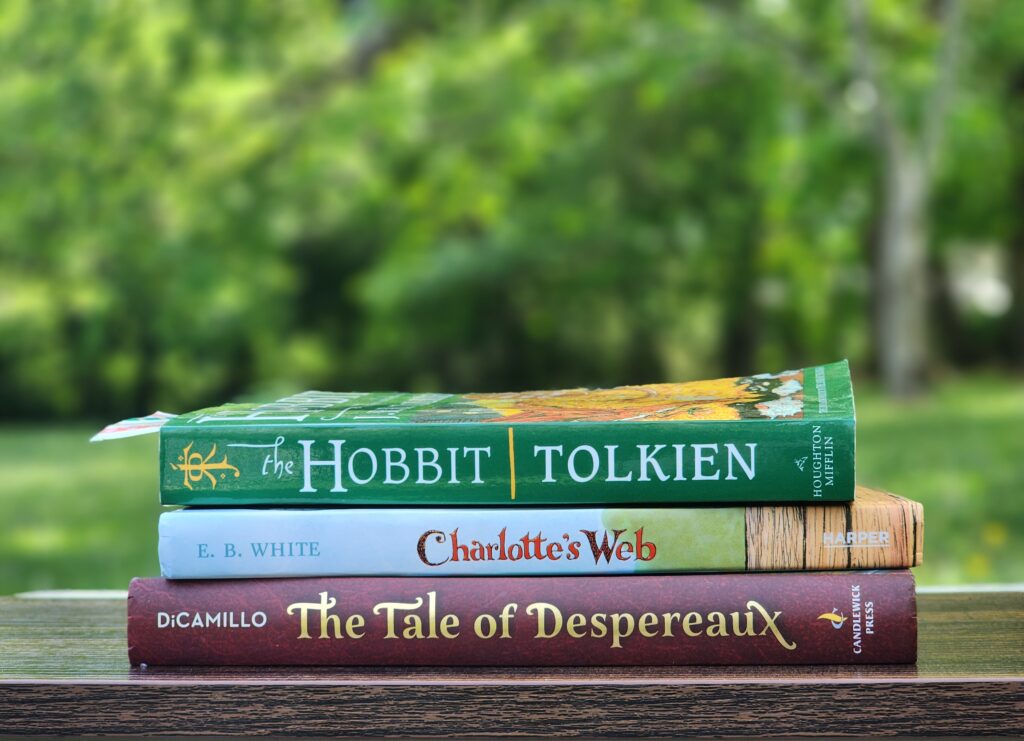
The best homeschool books don’t just “cover material.” They spark curiosity, invite conversation, and stay with your kids long after you close them.
This page will show you how to build your homeschool around books using a simple, literature-rich approach that works in real life.
You don’t need to overhaul everything. You just need to start.
Build Your Homeschool with Books (A Simple Framework)
You don’t need to recreate school at home.
You don’t need a full curriculum to get started.
What you need is a simple structure and a few books that actually hold your child’s attention.
This is the framework we’ve come back to again and again in our homeschool. It’s flexible enough to work with real life, but steady enough that learning keeps moving forward.
Step 1: Start with Books That Fit Your Child
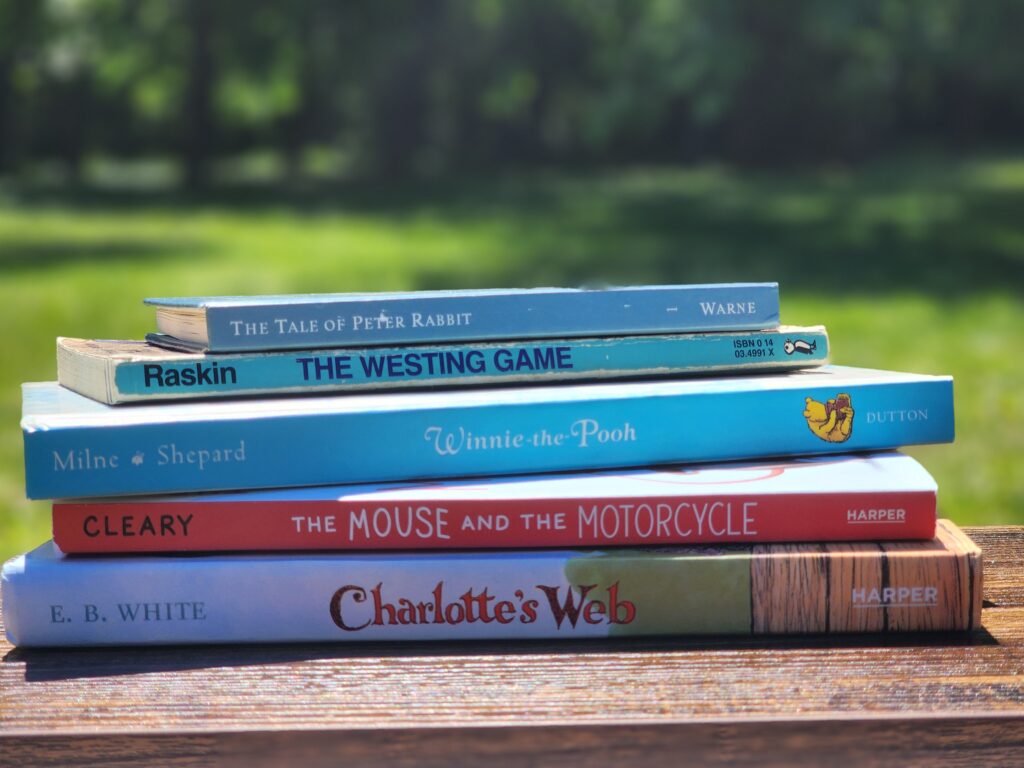
Before anything else, choose books that match your child’s stage. Not a grade level on paper. Not what someone else says they “should” be reading.
Just books they can follow, enjoy, and stay with long enough for something to click.
If you’re unsure where to begin, this is the easiest place to start:
👉 Start here: Homeschool Reading List (By Grade or Stage)
You don’t need a full list. One or two strong reads are enough.
Step 2: Add History Through Stories
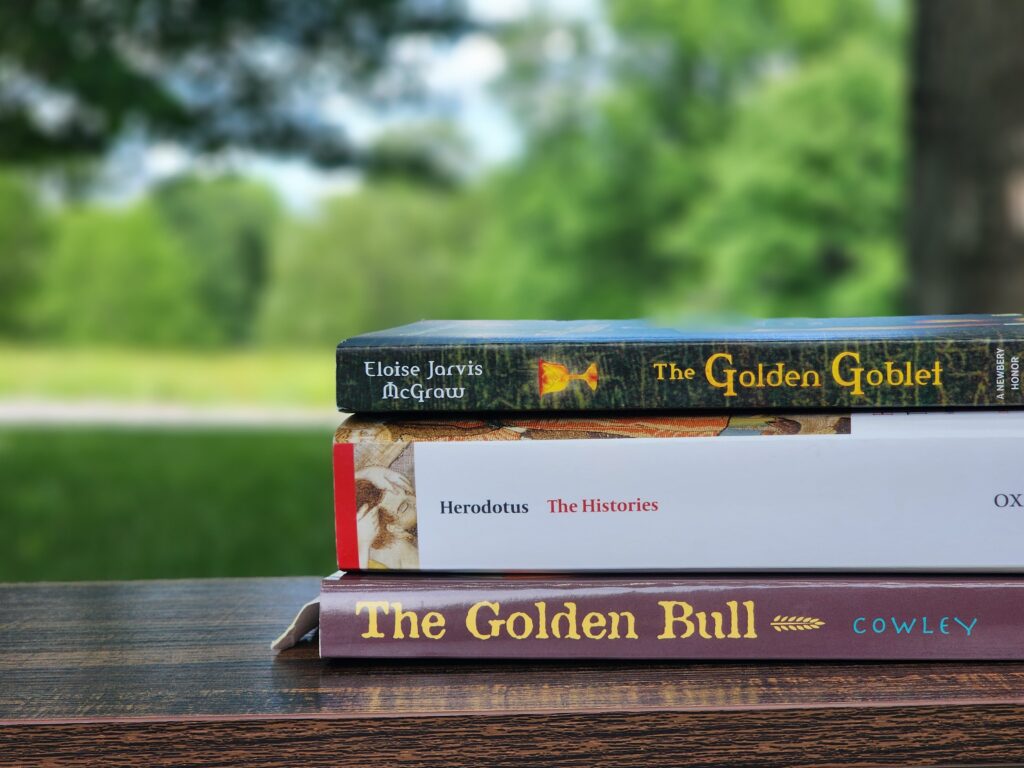
History becomes much easier when it’s rooted in story.
Instead of memorizing disconnected facts, kids begin to understand time periods through people and events that actually feel real.
We usually pick one book, read it through, and then move forward. There’s no complicated plan behind it.
👉 Explore: Best Homeschool History Books
Step 3: Add Science Through Curiosity
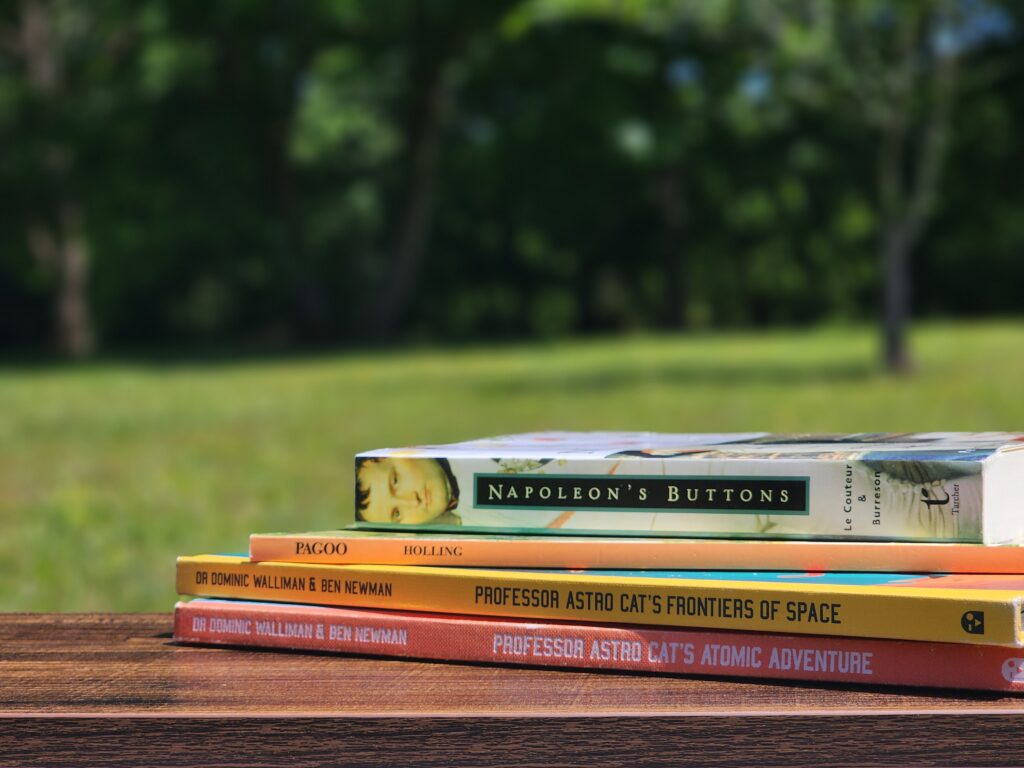
Science, especially in the early years, doesn’t need to start with a textbook.
It works better when it begins with observation, questions, and simple explanations that build over time.
A good science book can carry most of that weight on its own.
👉 Explore: Best Homeschool Science Books
Step 4: Keep a Daily Read-Aloud
This is the one piece I try not to skip.
A good read-aloud does more than check a box. It builds vocabulary, strengthens attention, and gives everyone a shared story to return to.
Even short, consistent reading adds up quickly.
Step 5 (Optional): Add Faith-Based Books
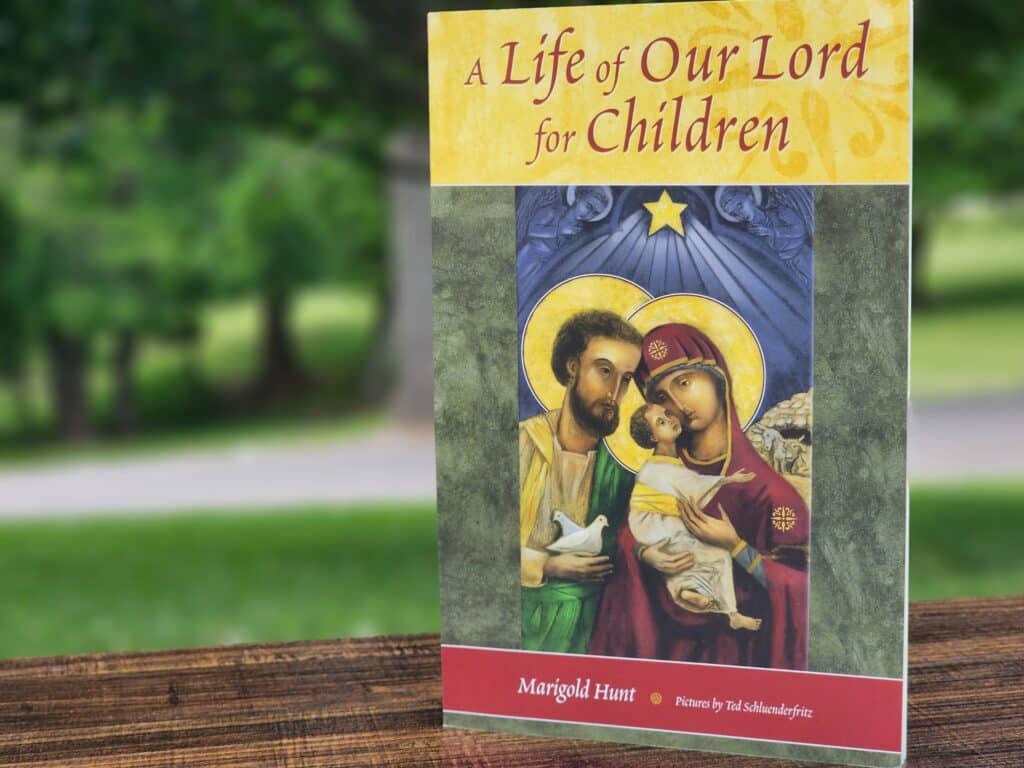
If faith is part of your homeschool, it doesn’t need to be separated out into its own system.
We usually include it through books: Bible stories, biographies, or thoughtful reads that fit naturally into the day.
👉 Explore: Best Christian Homeschool Books
What This Actually Covers
With just these pieces in place, you’re covering more than it might seem.
History, science, literature, vocabulary, and discussion skills all begin to develop naturally without needing separate programs for each one.
It’s not complicated, but it is consistent.
Quick Picks (If You Want to Start)
If you’re feeling overwhelmed, start smaller than you think you should.
You don’t need a full plan to begin. You just need a few good books and a rhythm you can actually keep.
If I were starting over, I would begin with three things.
A read-aloud that everyone enjoys.
A history book that tells a story.
And a science or nature book that sparks curiosity.
That combination alone is enough to carry most homeschool days.
A Simple Starter Set
If I were starting over, this is exactly what I’d choose:
A strong read-aloud
Something engaging enough that everyone wants to listen.
Example: The Wild Robot or Charlotte’s Web
A history book or historical story
A narrative that brings a time period to life.
Example: Johnny Tremain or The Little House books
A science or nature book
Something that builds curiosity, not just facts.
Example: The Burgess Bird Book or a simple nature guide
From there, we keep it light.
We read aloud most days.
We add history a few times a week.
Science comes in naturally when it fits.
There’s no complicated schedule behind it.
What Makes a Great Homeschool Book?
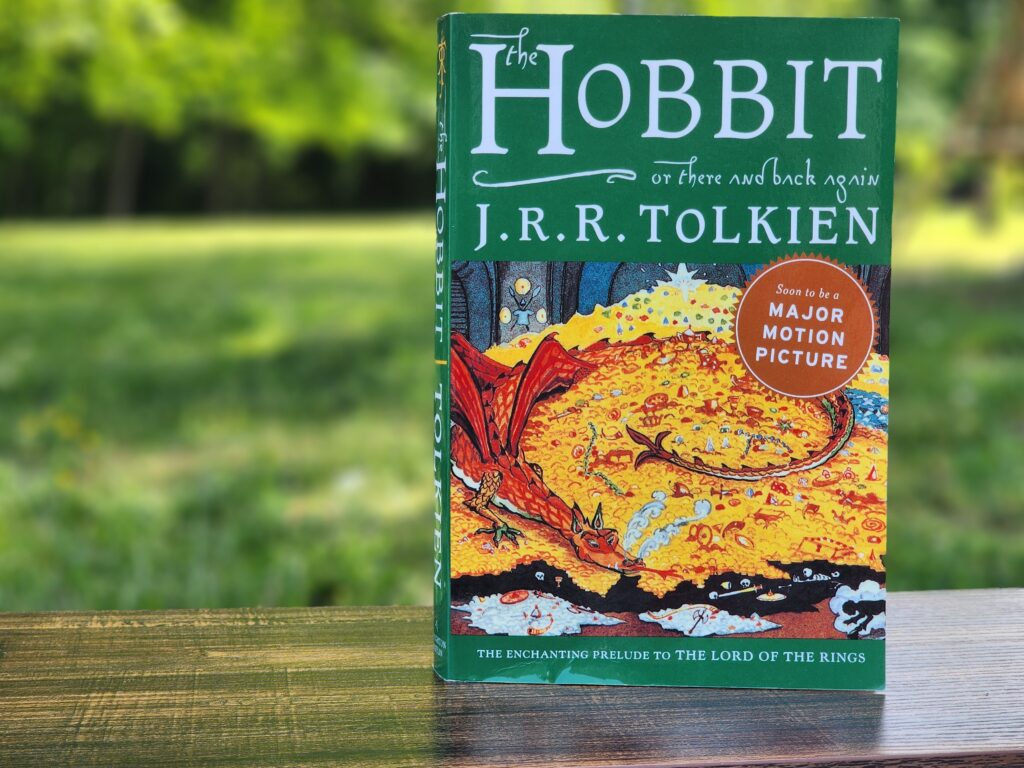
After years of homeschooling, I’ve learned that not every “educational” book deserves shelf space. Some feel like thinly disguised worksheets in hardcover form. Others look impressive but fall flat the moment you try to read them aloud.
Here’s what actually works in a real homeschool:
1. It’s written by someone who loves the subject.
You can feel the difference. A passionate author pulls you in. A committee-produced textbook pushes you away.
2. It invites conversation.
The best homeschool books don’t just deliver information. They spark narration, questions, and “Wait, what happened next?” moments.
3. It works across ages.
If I can read it once and both my older and younger child get something from it, that’s a win. Multi-age flexibility is gold in a real-life homeschool.
4. It lingers after you close it.
Great books spill into the rest of the day. Kids reenact scenes. They bring up ideas at dinner. They connect it to something they saw outside.
5. It doesn’t require busywork to feel meaningful.
If a book only “counts” when paired with a 12-page activity packet, it’s probably not a living, breathing story. The right books do the heavy lifting on their own.
In our homeschool, books aren’t a supplement. They’re the backbone. When the right books are in place, homeschooling feels lighter, calmer, and far more sustainable.
Best Homeschool Books by Age
Age matters, but flexibility matters more.
Children develop unevenly. A strong reader may devour middle-grade novels at eight, while another child may still prefer picture books at nine. The goal is to find books that stretch gently without overwhelming.
These homeschool booklists are organized to help you choose confidently by grade or developmental stage. Each guide includes living books, read-aloud favorites, and independent reading suggestions.
Use these guides as a starting point, not a rulebook.
Preschool (Ages 3–6)
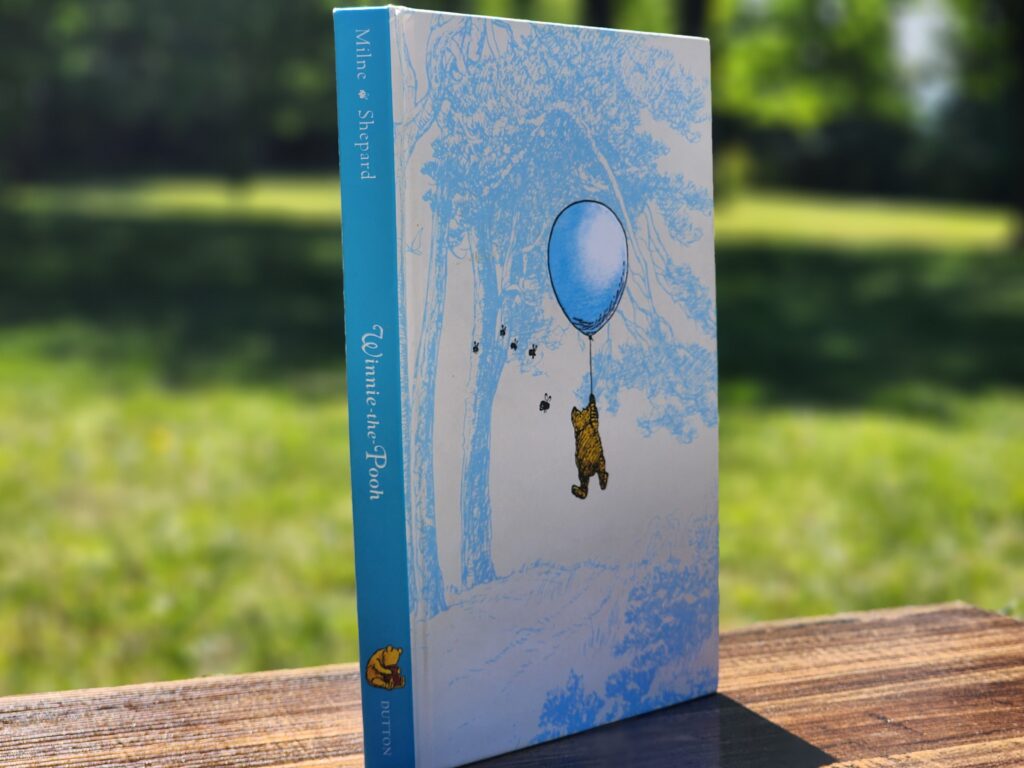
At this stage, the goal is simple: build a love of stories.
Most of our time here is spent with picture books, reading them slowly, repeating favorites, and letting children linger over the illustrations.
You don’t need a large collection. A small handful of well-loved books will carry you further than a long list you never return to.
Elementary (Ages 6–12)
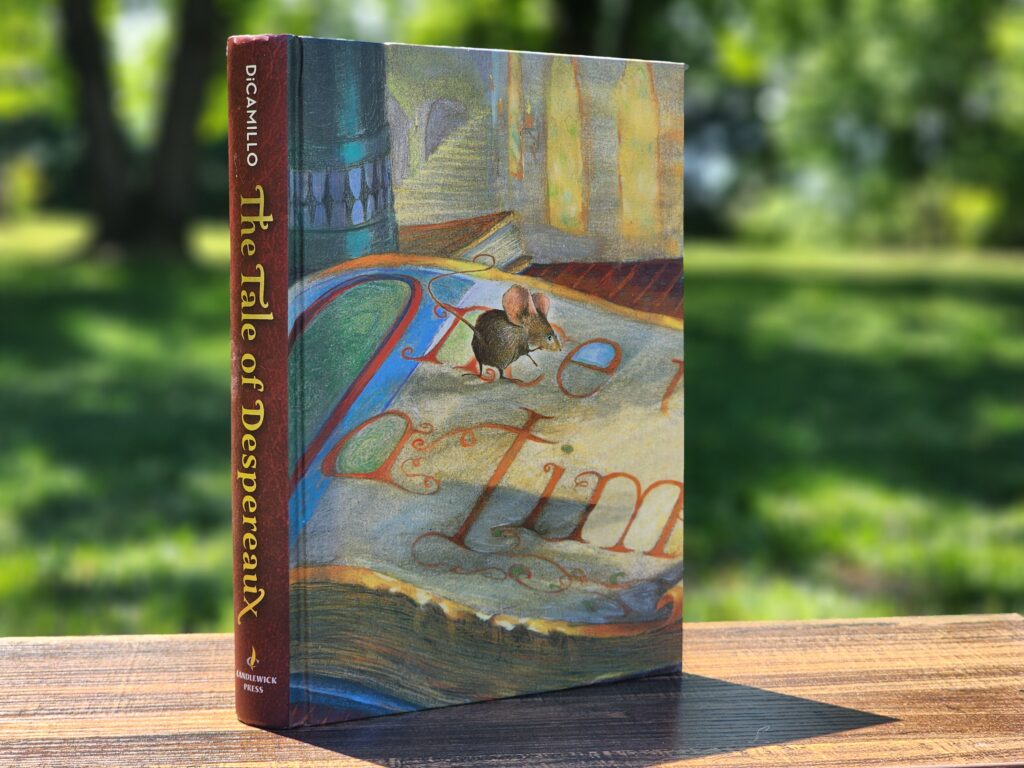
This is where books begin to do more of the teaching.
Children at this stage are ready for longer stories, early historical fiction, and simple narrative science. It’s also where read-alouds become especially valuable.
This is the season where a literature-rich approach really starts to take shape.
Middle School (Ages 9–13)
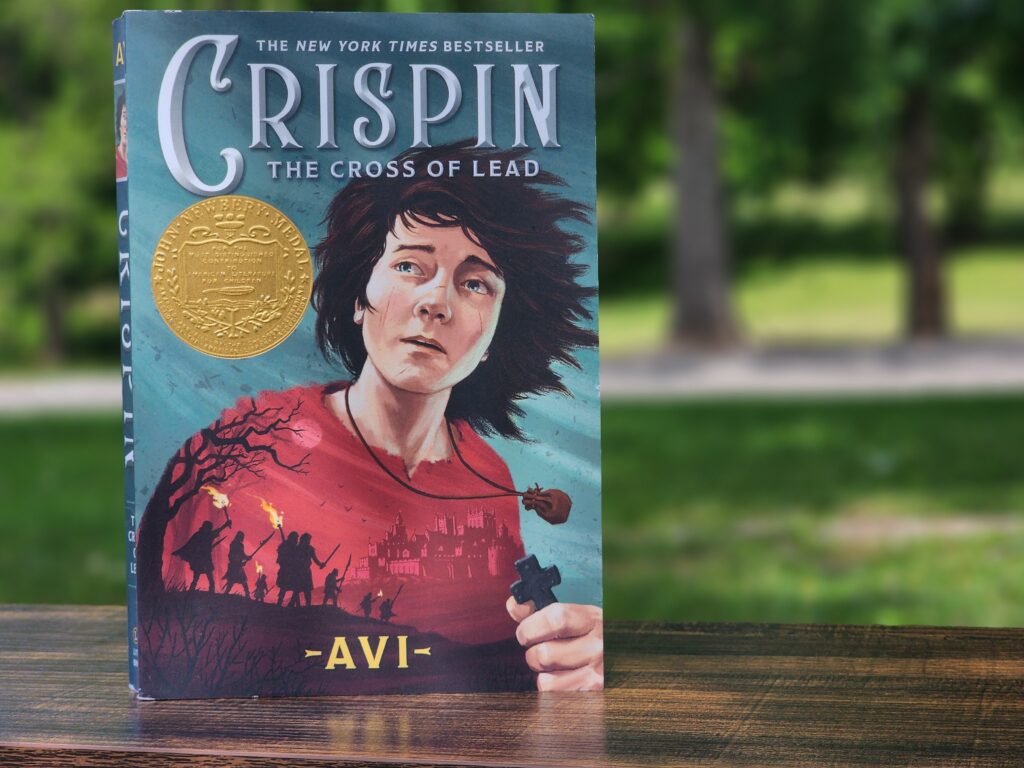
Around this age, books start to go deeper.
Children notice more. They ask better questions. They begin to think about why things happen, not just what happened.
This is a good time to introduce stories with more complexity, while still reading together when needed.
High School & Beyond
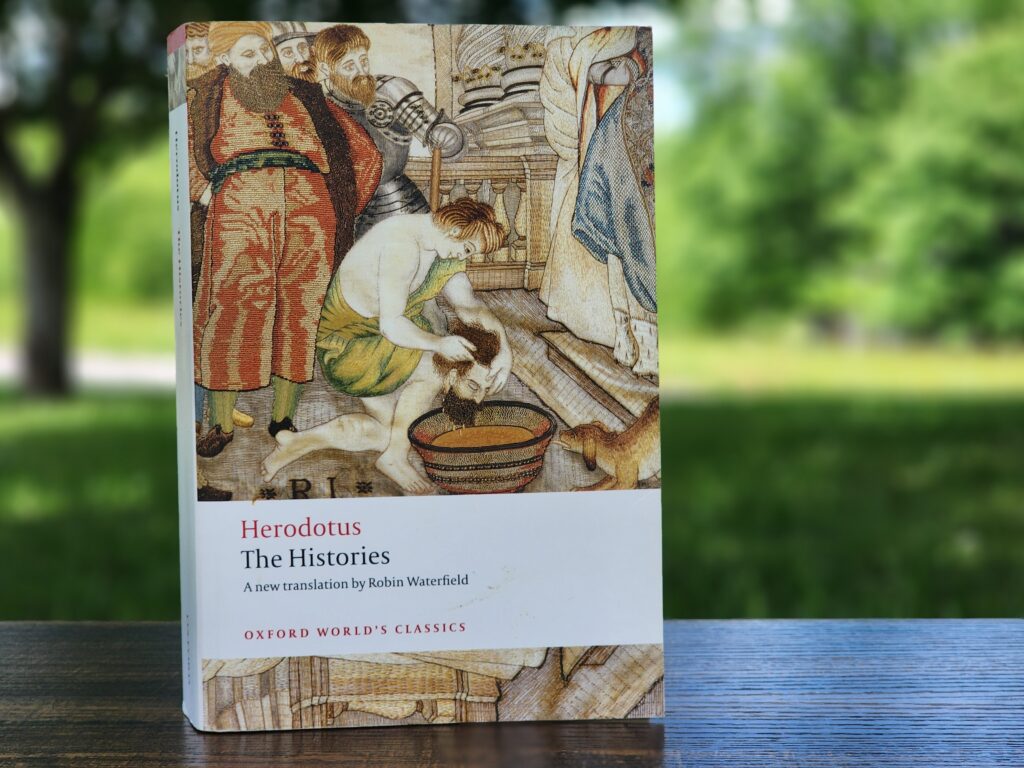
High school reading looks different, but the foundation is the same.
The focus shifts toward more challenging ideas, stronger writing, and books that invite discussion. Many students read independently at this stage, but shared reading can still be valuable—especially with more difficult material.
A full high school guide is coming soon.
A Note on Multi-Age Families
Most homeschool families aren’t teaching just one age.
When possible, choose books you can read together. Older children will pick up on deeper ideas, while younger ones benefit from hearing language and story structure above their level.
It’s one of the simplest ways to keep your homeschool manageable without lowering the quality of what you’re reading.
Living Books for Homeschooling
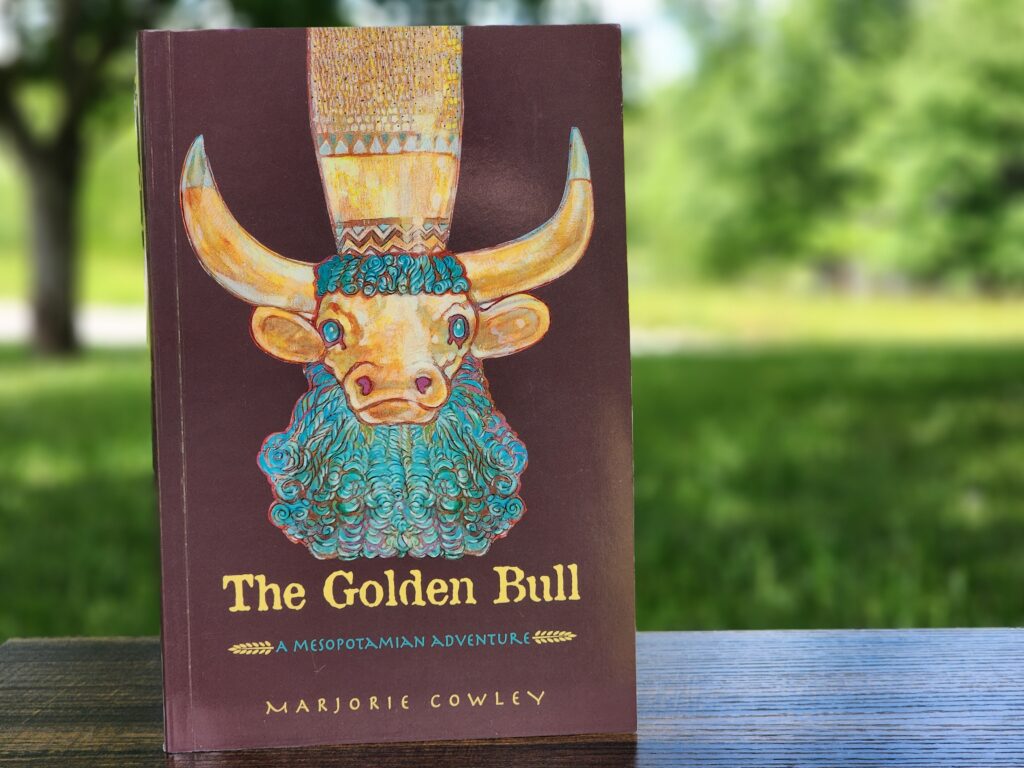
If there’s one concept that has shaped our homeschool more than anything else, it’s this: choose living books over dry textbooks whenever possible.
But what exactly is a “living book”?
A living book is written by someone who deeply understands and genuinely loves their subject. Instead of presenting facts in bullet points, it tells a story. Instead of summarizing information for a test, it invites the reader into an idea.
Here’s a quick look at how a living book compares to a textbook:
| If the book has… | It’s likely a Textbook | It’s likely a Living Book |
| Voice | Formal, neutral, “expert” tone | Personal, passionate, narrative tone |
| Formatting | Bolded definitions and sidebars | Flowing chapters and stories |
| The “Test” | End-of-chapter quiz | “Tell me what you remember” (Narration) |
| Longevity | Used for one year, then sold | Stays on the shelf for a decade |
Charlotte Mason popularized the term, but you don’t have to follow her method strictly to see the difference. Today, many literature-rich homeschoolers build their entire approach around this principle.
In practice, this means history comes alive through Johnny Tremain, science becomes memorable through The Burgess Bird Book, and biographies feel personal instead of clinical.
The result? Children remember what they read, not because they filled out worksheets, but because they cared.
If you’re building a literature-rich homeschool, living books are the foundation.
Three Living Books to Start With
If you’re new to the idea, begin here. These work beautifully in most relaxed homeschool settings.
The Burgess Bird Book for Children by Thornton W. Burgess
A gentle introduction to nature study through story. My kids absorbed bird facts without realizing they were learning science. Perfect for ages 6–10 as a read-aloud.
Johnny Tremain by Esther Forbes
Historical fiction that makes the American Revolution feel personal and immediate. Best for upper elementary and middle school, especially as a family read-aloud.
I, Juan de Pareja by Elizabeth Borton de Treviño
A beautifully written historical novel about art, dignity, and perseverance. Rich vocabulary, thoughtful themes, and discussion-worthy moments throughout.
Want to see the full list? Head over to Living Books for Homeschooling, where I break them down by subject and age.
Best Homeschool Books by Subject
When possible, choose books you can read together. Older children will pick up on deeper ideas, while younger ones benefit from hearing language and story structure above their level.
It’s one of the simplest ways to keep your homeschool manageable without lowering the quality of what you’re reading.
History
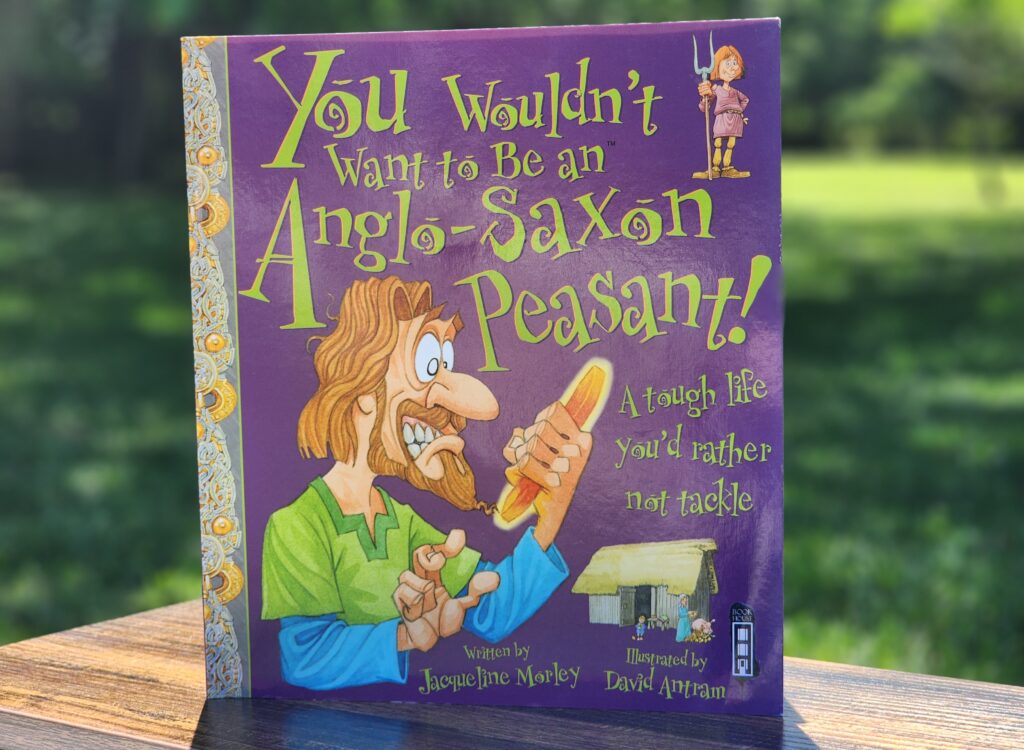
History is one of the easiest subjects to build with books.
Instead of working through timelines and isolated facts, we focus on stories that help children understand people, events, and cause and effect over time.
We typically choose one book, read it through, and then move forward to the next period. That simple progression is usually enough.
Christian
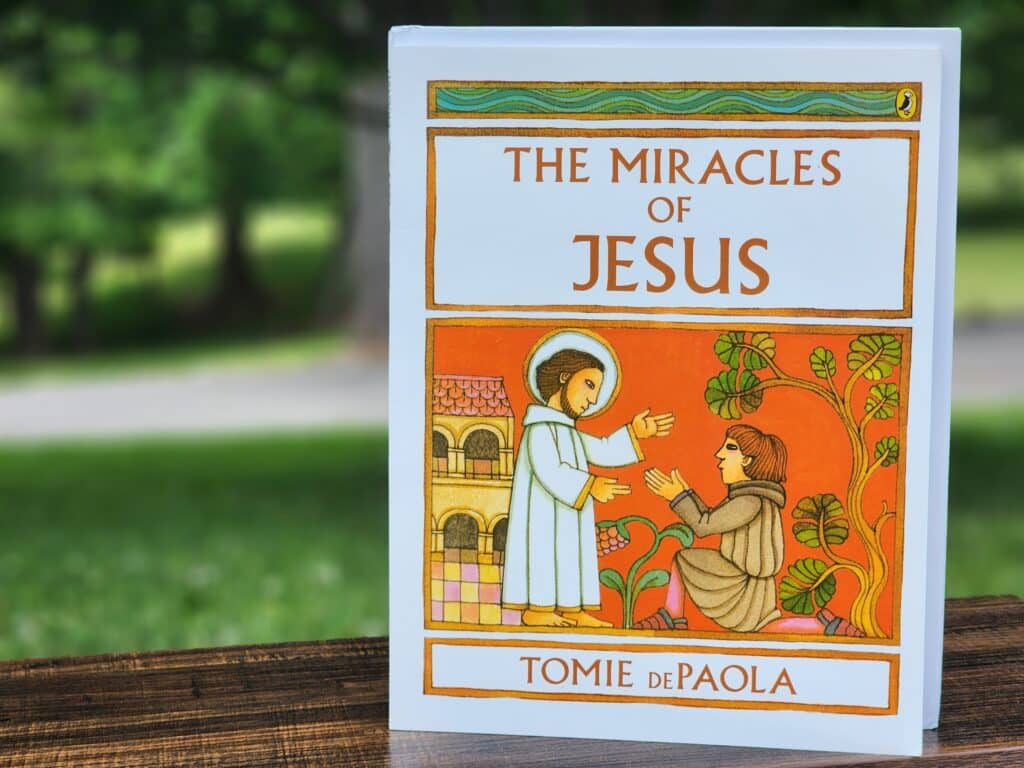
If faith is part of your homeschool, it doesn’t need to be set apart as something separate.
We’ve found it works best when it’s woven into the day through books: Bible stories, biographies, and thoughtful reads that naturally lead to conversation.
Science
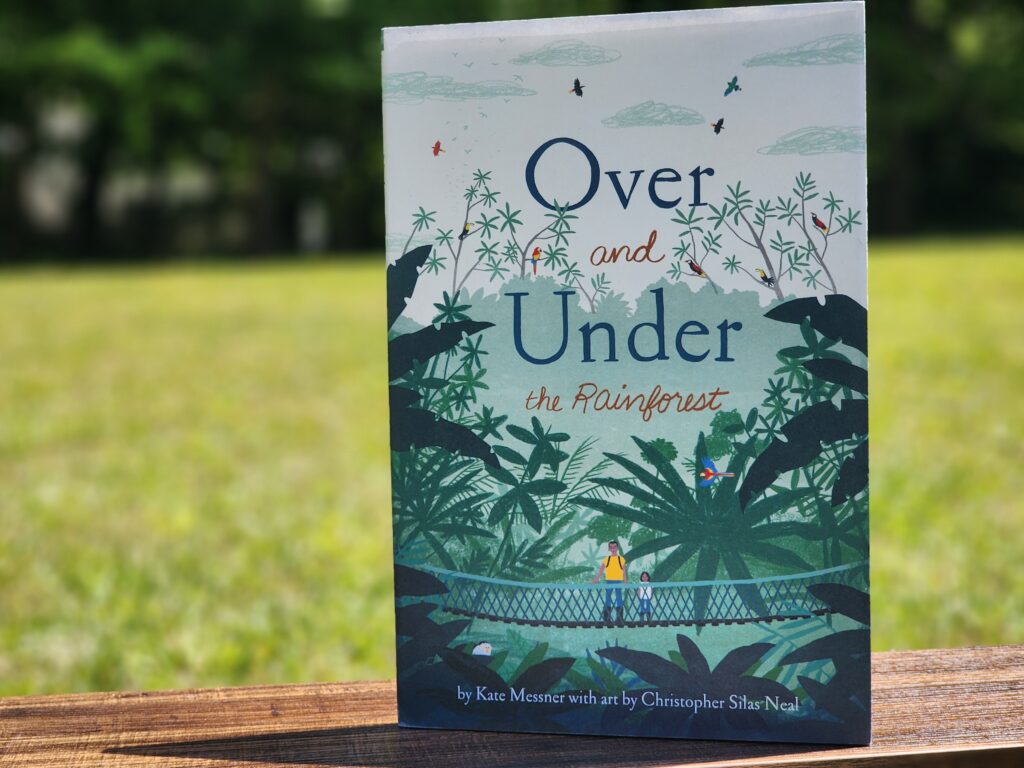
Science tends to work best when it begins with curiosity.
In the early years, especially, we lean toward books that invite observation and exploration rather than memorization. Nature study, simple explanations, and story-based science often go further than a structured program at this stage.
Over time, you can always add more formal work. It’s much harder to rebuild curiosity once it’s been lost.
Math
Math is usually the one subject where most families still use some structure.
But even here, the right books can support understanding and make learning feel less rigid. We’re currently working on a full guide to this subject.
How to Use These Books in Your Homeschool
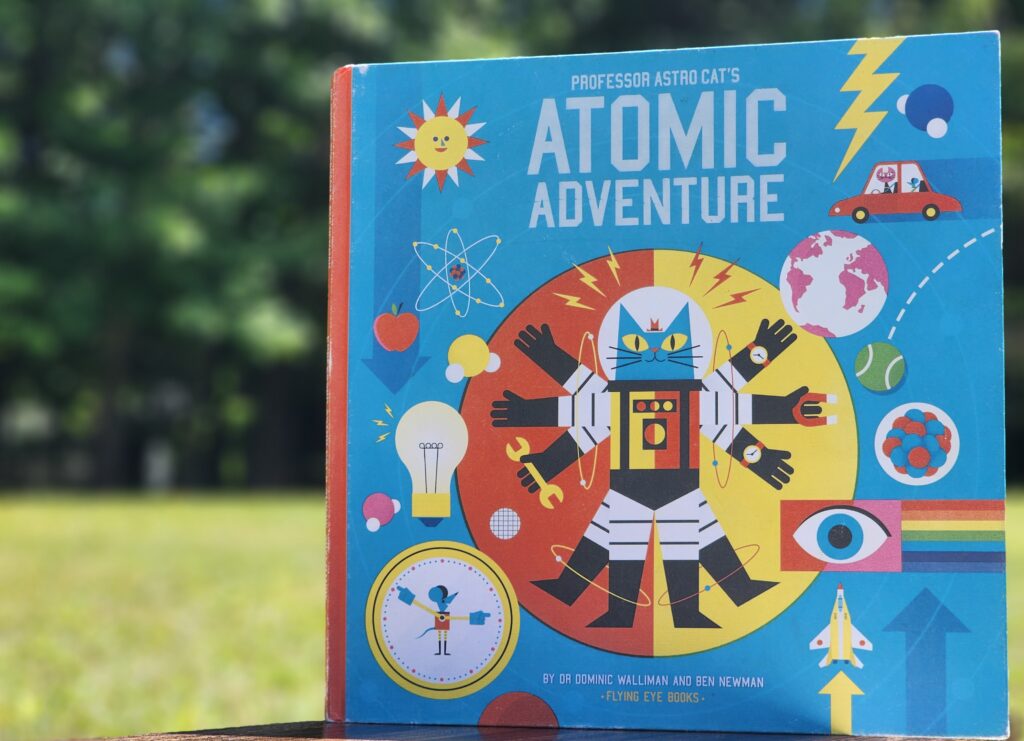
Most days in our homeschool are simpler than people expect.
We don’t follow a complicated schedule, and we’re not trying to “cover everything.” Instead, we return to a small handful of books and read them consistently.
There’s usually a read-aloud, something history-related, and a science or nature book in rotation. Some days we read all three. Some days we only manage one. Both are fine.
What matters is that we keep coming back.
- Start with a read-aloud: If I had to choose just one thing to stay consistent with, it would be this. A strong read-aloud does more than people realize. It builds vocabulary, strengthens comprehension, and gives your family a shared story to talk about later. Even ten minutes a day is enough to make a difference.
- Add one subject at a time: Once you have a read-aloud in place, everything else layers on easily. We usually add one history book and one science or nature book. That’s enough to move forward without feeling scattered. There’s no rush. When we finish one book, we move to the next. That’s the whole system.
- Let conversation do the work: We don’t use worksheets to make books “count.” Instead, we talk. Sometimes that looks like a quick “What happened?” after a chapter. Other times, it turns into a longer conversation at lunch or before bed. Those moments—when kids connect ideas, ask questions, or retell what they remember—are where the learning actually sticks.
- Follow interest when it shows up: Every so often, one of my kids latches onto something. Birds. Weather. A historical figure we weren’t planning to study. When that happens, I don’t fight it. I find another book and follow the thread for a while. That’s one of the biggest advantages of building your homeschool around books. You can pivot without starting over.
- Don’t worry about finishing everything: This took me a while to learn. Not every book needs to be finished. Some we set aside. Some we come back to later. Some we outgrow before we’re done. That doesn’t mean it was a bad choice. It just means it wasn’t the right fit for that moment. Over time, the books that matter tend to rise to the top.
You don’t need a perfect plan to homeschool well.
You need a few good books and the habit of opening them.
Start with one read-aloud. Add a history or science book when you’re ready. Read a little each day and let it grow from there.
Frequently Asked Questions About Homeschool Books
What are the best books for homeschooling?
The best homeschool books are engaging, well-written, and capable of standing on their own without heavy worksheets or scripted lessons. In a literature-rich homeschool, strong narrative history, quality biographies, classic literature, and thoughtful science books form the backbone of learning.
Instead of chasing trendy lists, focus on books that spark discussion and can be read aloud across ages.
Can you homeschool using only books?
Yes, especially in the early and elementary years.
Many families successfully homeschool using living books as their primary resource, adding structured math and writing instruction separately. Narrative-based learning builds comprehension, vocabulary, and retention in ways worksheets often don’t.
As students grow older, more formal resources may become helpful, but books remain central.
What are living books?
Living books are written by a single author who cares deeply about the subject and presents it in narrative form rather than as dry facts. The term comes from Charlotte Mason’s philosophy of education.
These books invite curiosity, discussion, and narration, which leads to deeper retention and understanding.
How many books do I need for homeschool?
Most families need far fewer books than they expect.
A simple plan might include:
- One history book
- One science or nature book
- One daily read-aloud
- Optional Bible or character study
Consistency matters more than volume.
Do homeschoolers need a full curriculum?
Not necessarily.
Some families prefer comprehensive curriculum packages. Others build their year around carefully chosen books and add subject-specific materials as needed.
If you’re pursuing relaxed homeschooling, strong books often reduce the need for rigid, all-in-one programs.
How do I choose books for multiple ages?
Look for rich read-alouds that span levels.
Older children catch nuance and deeper themes. Younger ones absorb vocabulary and story structure. Multi-age reading is one of the simplest ways to streamline your homeschool without sacrificing depth.
What books are required for homeschooling?
There is no universal required book list for homeschoolers. Requirements vary by state, and many states require only documentation, not specific texts. Most families choose books based on philosophy, age, and goals rather than mandated reading lists.
Bottom line
You don’t need a complicated plan to homeschool well.
You need a few books that hold your child’s attention and that your child returns to.
That’s what makes this approach work.
Over time, those small, consistent moments add up. Children begin to recognize patterns, ask better questions, and make connections on their own. Learning starts to feel natural instead of forced.
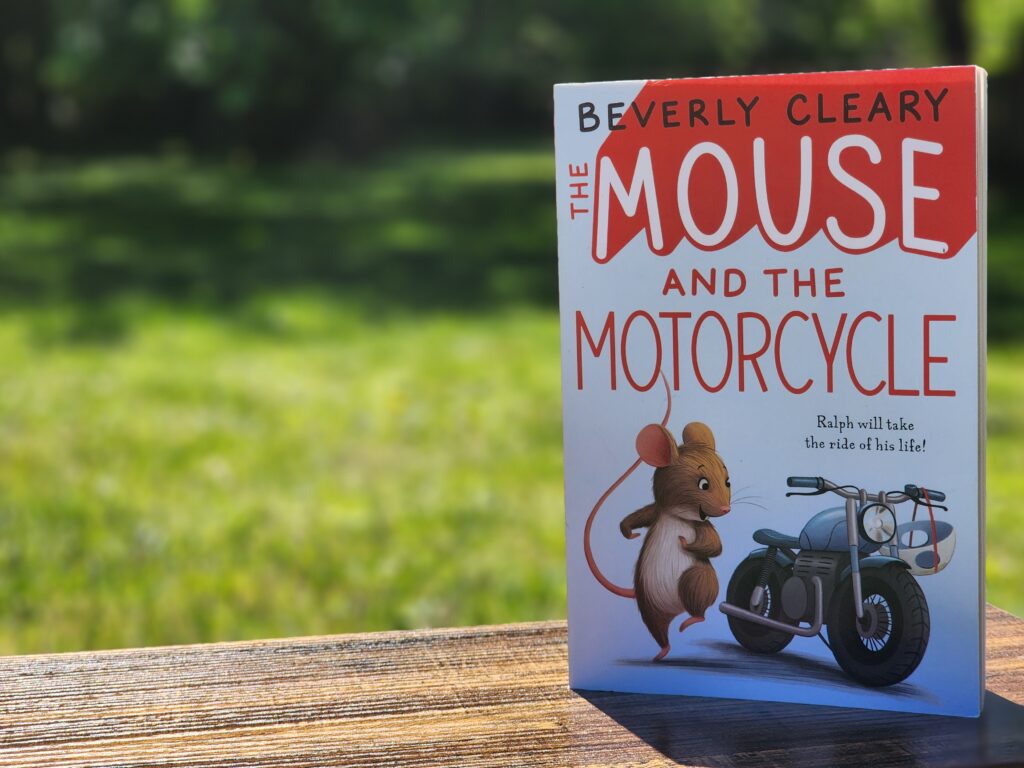
Some weeks will go smoothly. Others won’t.
You’ll skip days, set books aside, and adjust as you go. That’s part of it.
What matters is that the books stay within reach and that you keep opening them.
We may earn affiliate income (at no extra cost to you) on the links above.